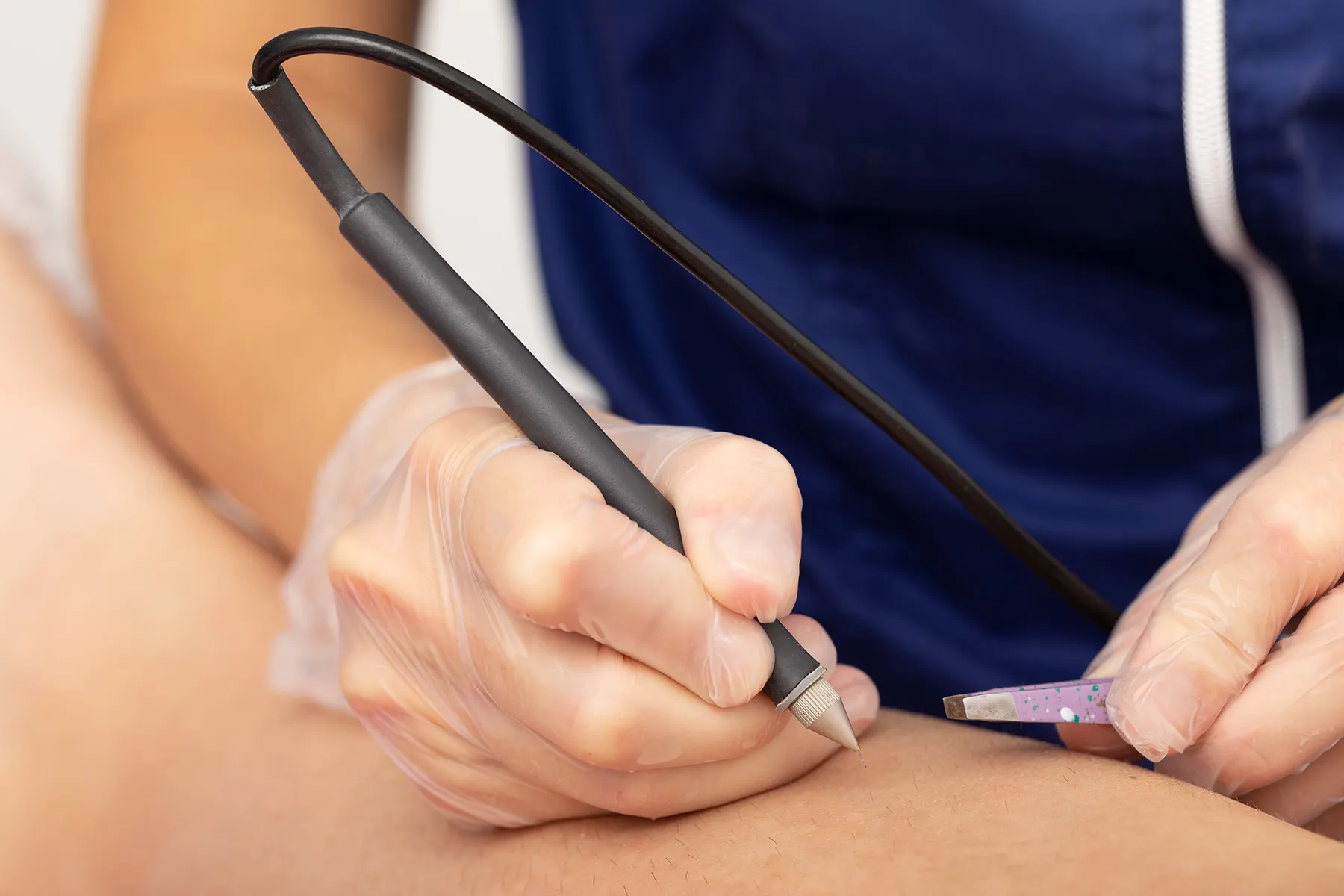
Determining whether a patient is suitable for intimate surgery is a crucial step that ensures both safety and satisfaction. Many individuals in Dubai are seeking guidance on Intimate Surgery in Dubai, and clinics like Dynamic Clinic in Dubai have established thorough evaluation processes to assess candidates. Surgeons use a combination of medical history, physical assessment, and personal goals to determine whether intimate surgery is the right option for a patient. Understanding these criteria can help patients make informed decisions.
Understanding Intimate Surgery
Intimate surgery encompasses procedures aimed at improving both functional and aesthetic aspects of genital areas. It includes treatments for women, such as labiaplasty and vaginal rejuvenation, and procedures for men, including penile enhancement or correction of functional concerns. Surgeons emphasize that candidacy is not based solely on cosmetic desires but on a combination of health, anatomy, and realistic expectations.\

Medical Evaluation
A comprehensive medical evaluation is the first step in determining candidacy. Surgeons typically review:
- Overall health – Ensuring there are no uncontrolled medical conditions like diabetes, hypertension, or heart disease that could complicate surgery.
- Past surgeries – Previous operations in the genital area or pelvic region can affect the approach and healing process.
- Medication use – Certain medications, including blood thinners or hormonal treatments, may require adjustment prior to surgery.
- Infections or chronic conditions – Active infections or untreated gynecological or urological issues must be resolved beforehand.
Physical Assessment
After reviewing medical history, surgeons conduct a detailed physical examination. Key considerations include:
- Anatomical suitability – The structure of the genital area determines the type of procedure possible. For example, labiaplasty candidates must have excess labial tissue causing discomfort.
- Tissue quality – Healthy skin and mucosa are essential for proper healing and long-term results.
- Functional concerns – Surgeons evaluate any issues affecting daily life, such as discomfort during exercise, sexual activity, or urination.
Psychological Readiness
Psychological evaluation plays a critical role in assessing candidacy. Surgeons look for:
- Realistic expectations – Patients should understand the potential outcomes and limitations of the procedure.
- Emotional stability – Candidates should be emotionally prepared to undergo surgery and recovery without undue stress.
- Motivation – Personal desire for improvement should stem from self-awareness rather than external pressure.
Lifestyle and Recovery Considerations
Lifestyle factors can impact surgical outcomes and recovery. Surgeons often assess:
- Smoking and alcohol use – Both can interfere with healing and increase the risk of complications.
- Activity level – Patients with active lifestyles may need guidance on temporary limitations post-surgery.
- Support system – Having family or friends to assist during recovery is important for optimal outcomes.
Age and Health Factors
While there is no strict age limit for intimate surgery, overall health and developmental considerations are important.
- Women – Procedures are generally recommended after genital development is complete, often post-adolescence.
- Men – Procedures related to penile health are evaluated for functional maturity and tissue stability.
- Chronic conditions – Candidates with manageable chronic conditions may still be eligible with proper preoperative care.
Consultation Process
A structured consultation ensures both surgeon and patient are aligned. This often includes:
- Discussion of goals – Understanding what the patient hopes to achieve helps shape realistic surgical plans.
- Review of medical history and lifestyle factors – Identifying risks and necessary adjustments.
- Visual assessment – Surgeons may use photographs or diagrams to illustrate potential results.
- Tailored recommendations – Not all candidates are suitable for every procedure, and alternatives may be suggested.
Red Flags That May Affect Candidacy
Certain conditions may delay or prevent surgery, including:
- Active infections or untreated gynecological/urological issues
- Severe uncontrolled chronic diseases
- Unrealistic expectations or external pressure to undergo surgery
- Psychological conditions affecting decision-making or postoperative recovery
Preparing for Surgery
Once candidacy is confirmed, preparation steps are essential:
- Preoperative tests – Blood work, imaging, or other tests may be required.
- Lifestyle adjustments – Stopping smoking, managing medications, and optimizing nutrition.
- Planning recovery – Scheduling time off work and arranging assistance at home.
Conclusion
Surgeons determine candidacy for intimate surgery through a meticulous evaluation process that balances medical, anatomical, and psychological factors. Clinics in Dubai offering Intimate Surgery in Dubai prioritize patient safety, realistic expectations, and long-term satisfaction. By understanding the assessment process, individuals can approach surgery with confidence, ensuring the best possible outcomes.