health care

How Is a Mini Tummy Tuck Medically Different? is a frequently searched question among individuals exploring abdominal contouring procedures, especially those comparing different surgical approaches for body refinement. Understanding the medical distinctions behind this procedure is essential for setting realistic expectations, particularly when evaluating options such as Dubai tummy tuck procedures. In advanced aesthetic practice settings, including consultations at Dynamic Life Clinic, patients are often guided through these differences to make informed decisions based on anatomy and clinical need.
The term “mini tummy tuck” is often misunderstood as a smaller version of a full abdominoplasty, but medically it refers to a very specific surgical scope. In Dubai tummy tuck discussions, it is commonly highlighted as a targeted procedure designed for limited lower abdominal concerns rather than full abdominal correction.
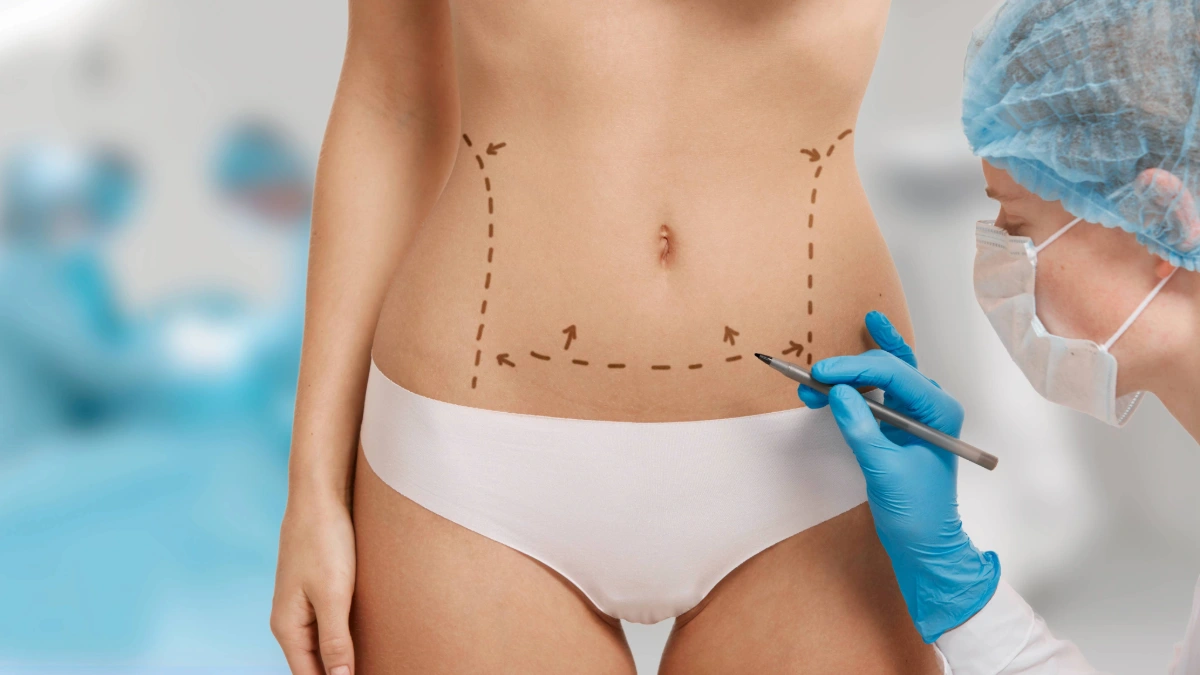
A mini tummy tuck is a partial abdominoplasty that focuses only on the lower abdominal region below the navel. Medically, it involves removal of a small amount of excess skin and tightening of localized tissue without extensive muscle reconstruction.
Unlike more invasive procedures, it does not typically involve repositioning of the navel or full abdominal wall repair. The surgical goal is precision rather than comprehensive abdominal reshaping, making it distinct in both technique and anatomical reach.
This approach is often selected when the upper abdomen maintains good tone, and concerns are isolated to mild skin laxity or minor muscle separation below the belly button.
The most important medical distinction lies in the depth and extent of tissue correction. A full abdominoplasty addresses the entire abdominal wall, while a mini version is confined to a smaller region.
Key anatomical differences include:
These differences directly influence surgical planning and determine how much structural change can be achieved.
Patient selection plays a critical role in determining suitability. A mini tummy tuck is not appropriate for all abdominal concerns and is reserved for specific clinical profiles.
Medically suitable candidates typically include individuals with:
Patients with extensive muscle separation, significant skin redundancy, or post-pregnancy full abdominal changes are usually advised to consider more comprehensive procedures.
The surgical approach in a mini tummy tuck is less extensive but still precise. The incision is generally shorter and positioned low on the abdomen, allowing it to remain concealed under clothing.
During the procedure:
In contrast, full abdominoplasty involves repositioning the navel and broader dissection of abdominal tissues, which significantly increases surgical scope.
The reduced surgical field in a mini tummy tuck results in a more targeted intervention, focusing only on the area of concern rather than the entire abdominal structure.
Healing patterns differ significantly between mini and full procedures due to the extent of tissue involvement. A mini tummy tuck generally results in a shorter and more localized recovery process.
Physiological differences in recovery include:
However, even though recovery is less intensive, the body still undergoes natural inflammatory and tissue remodeling phases that require proper rest and guided postoperative care.
A mini tummy tuck provides subtle but meaningful improvement in abdominal contour. The results are most noticeable in the lower abdominal region, where flattening and tightening occur.
However, medically it has defined limitations:
The procedure is best viewed as a refinement technique rather than a complete abdominal transformation.
In Dubai, where aesthetic procedures are widely sought, proper medical evaluation ensures that the chosen procedure aligns with anatomical needs rather than expectations alone. A structured assessment helps determine whether a mini approach is sufficient or if a full correction is required.
Medical evaluation typically considers:
Such evaluations help ensure that outcomes remain natural, balanced, and aligned with body structure rather than overcorrection.
A mini tummy tuck is medically distinct from a full abdominoplasty due to its limited anatomical scope, focused surgical technique, and targeted recovery profile. It addresses specific lower abdominal concerns while preserving the integrity of the broader abdominal structure. Understanding these differences is essential for making informed decisions, particularly when considering abdominal contouring options in Dubai.