health care
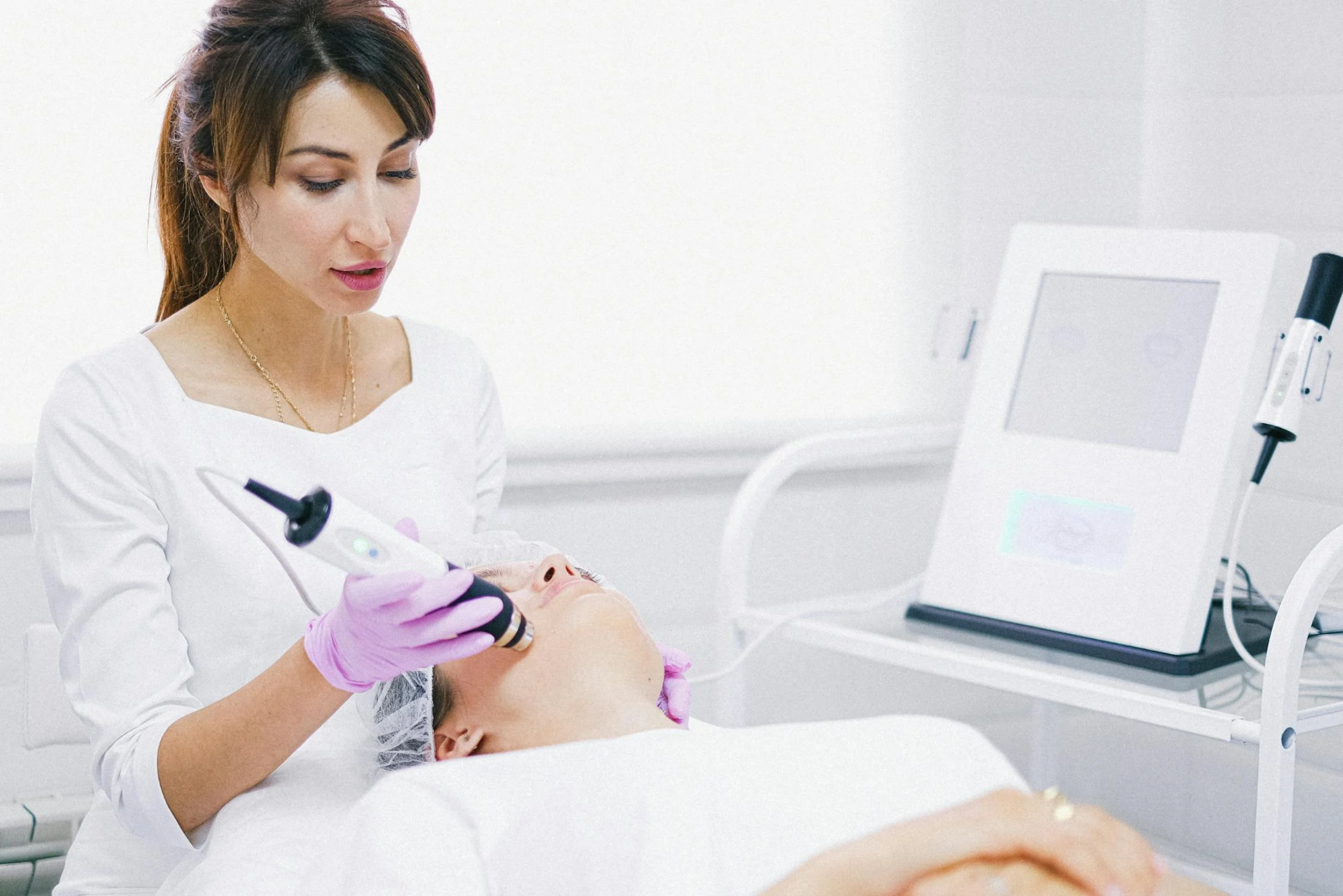

How Is Skincare Treatment Clinically Defined? is a question that forms the foundation of modern dermatology, especially as demand for evidence-based skin solutions continues to grow across global aesthetic markets. In today’s advanced dermatology landscape, Skincare Treatments in Dubai have become a benchmark for clinically guided skin health approaches that combine science, technology, and individualized care. Many reputable wellness environments, including Dynamic Life Clinic, reflect how structured clinical definitions shape safe and effective skincare outcomes for different skin types and concerns.
Clinically, skincare treatment refers to a medically guided approach used to assess, manage, and improve skin health through evidence-based procedures and dermatological principles. It is not limited to cosmetic enhancement but includes prevention, correction, and maintenance of skin conditions.
From a medical standpoint, skincare treatments are designed after evaluating:
This structured evaluation ensures that every skincare plan aligns with scientific dermatology standards rather than generalized beauty practices.
A key part of clinically defined skincare treatment is the dermatological assessment, which determines the skin’s current condition before any procedure begins. This process is essential to avoid inappropriate treatments and to enhance effectiveness.
During assessment, professionals typically examine:
This diagnostic approach allows skincare strategies to be tailored with precision, ensuring that treatments are both safe and results-driven.
Skincare treatments in a clinical setting are structured around multiple therapeutic components that work together to restore and maintain skin health. These components are selected based on dermatological findings and patient goals.
Common clinically defined components include:
Each component is selected based on scientific compatibility with the skin’s biological response.
A defining feature of clinical skincare is its reliance on evidence-based methodologies. This means that every treatment is supported by dermatological research, clinical trials, and observable outcomes rather than trends or assumptions.
This approach ensures:
Evidence-based skincare also emphasizes continuous monitoring, allowing adjustments to be made according to skin response over time.
One of the strongest aspects of clinically defined skincare is personalization. No two skin types respond identically, so treatment plans are adjusted according to individual needs.
Personalized skincare planning considers:
This personalized model ensures that skincare is not generic but strategically aligned with individual dermatological requirements.
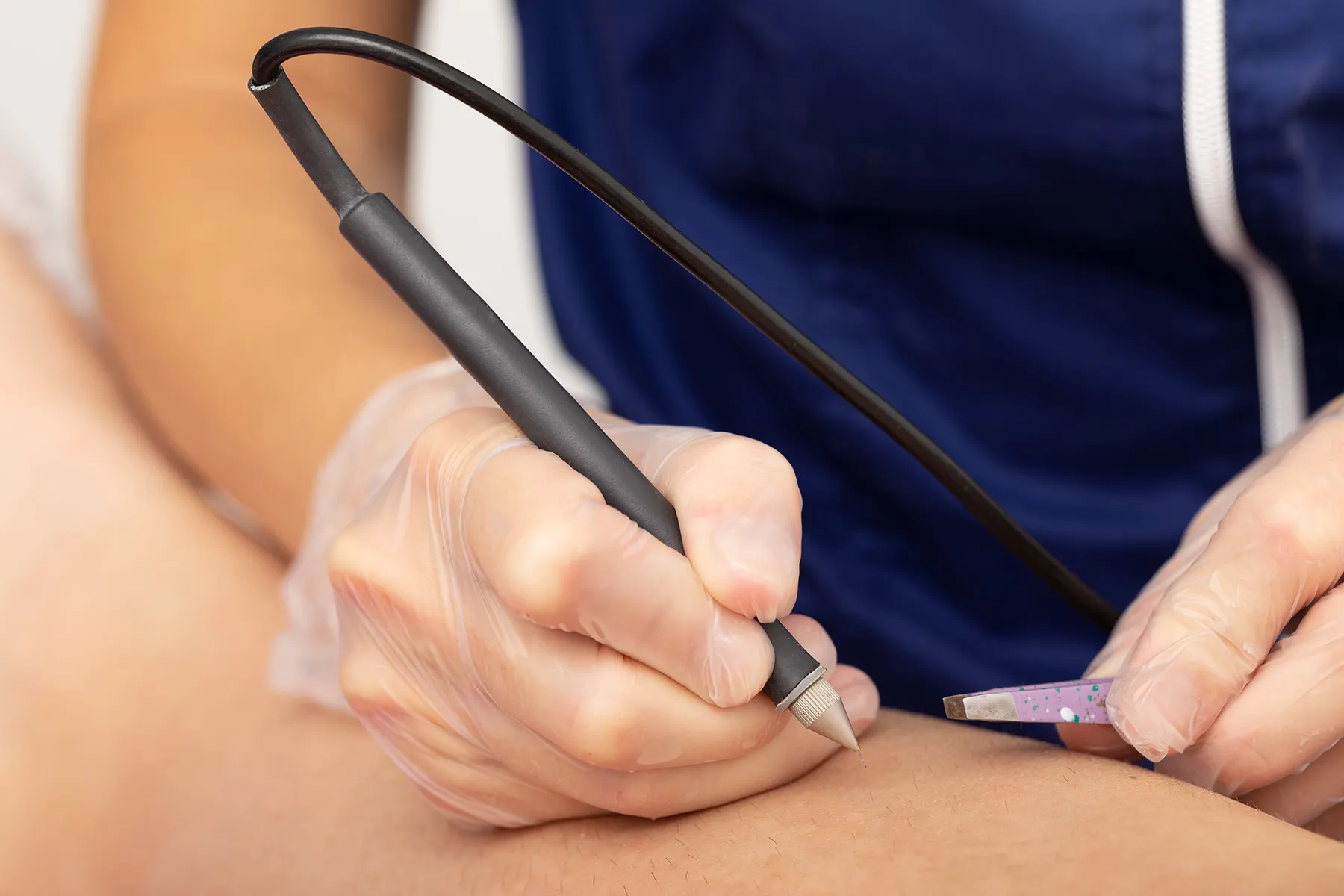
Modern clinical skincare heavily relies on advanced technology to enhance precision and effectiveness. These tools allow deeper analysis and targeted treatment delivery.
Commonly used technologies include:
Technology helps bridge the gap between surface-level care and deeper skin restoration, making treatments more efficient and scientifically controlled.
Clinical skincare is not only corrective but also preventive. It aims to maintain long-term skin health while addressing existing concerns.
Preventive strategies include:
Corrective strategies focus on treating existing conditions such as acne scars, uneven tone, fine lines, or texture irregularities. The combination of both ensures comprehensive skin management.
Clinical oversight ensures that skincare treatments are performed under safe and regulated conditions. This includes proper evaluation, monitoring, and adjustment of treatment protocols.
The benefits of clinical oversight include:
This level of oversight distinguishes clinical skincare from non-medical cosmetic routines.
Beyond physical improvements, clinically defined skincare treatments also contribute to psychological well-being. Healthy skin often enhances self-confidence and emotional comfort, especially in social and professional environments.
Improvements often observed include:
These outcomes demonstrate how dermatological science and aesthetic care are closely interconnected.
Clinically defined skincare treatment represents a structured and evidence-driven approach to skin health that goes beyond cosmetic enhancement. It integrates dermatological assessment, personalized care, advanced technology, and preventive strategies to ensure safe and effective results. In regions like Dubai, where skincare innovation is highly advanced, these clinical principles continue to shape modern dermatology practices and support long-term skin wellness through scientifically grounded methods.