health care

Is Aqualyx Safe? Side Effects and Risks You Should Know is one of the most frequently searched topics among individuals considering non-surgical fat reduction, especially in body contouring procedures. Many patients exploring fat-dissolving treatments also come across aqualyx injection in dubai while researching minimally invasive aesthetic options that target localized fat pockets without surgery. In Dubai’s growing aesthetic landscape, including treatments offered through clinics such as Dynamic Life Clinic, interest in injectable fat reduction continues to rise as people look for medically guided alternatives with predictable outcomes. Understanding safety, side effects, and risk factors is essential before making an informed decision about this procedure.
Aqualyx is an injectable fat-dissolving solution used to reduce localized fat deposits that are resistant to diet and exercise. It contains a compound designed to break down fat cell membranes, allowing the body to naturally eliminate the released fat through metabolic processes. The treatment is commonly used on areas such as the chin, abdomen, thighs, and flanks.
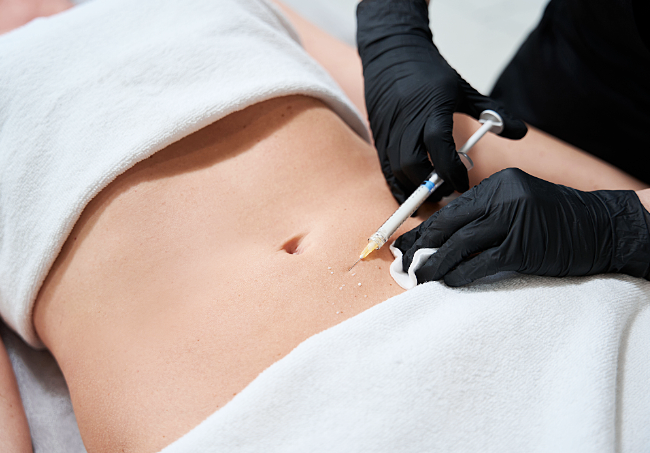
The procedure is performed through targeted injections placed directly into fat tissue. Once injected, the solution begins disrupting fat cell integrity, leading to gradual reduction in fat volume over several weeks. Unlike surgical fat removal methods, Aqualyx does not involve incisions or anesthesia, which is why it is often considered a minimally invasive body contouring option.
From a clinical standpoint, Aqualyx is generally considered safe when administered by trained professionals in controlled medical environments. It has been used across several countries in aesthetic medicine for localized fat reduction, with documented protocols guiding its application.
Safety depends heavily on proper patient selection, injection technique, and dosage accuracy. When these factors are carefully managed, the treatment is well tolerated by most individuals. However, like all injectable procedures, it carries a level of risk that should be clearly understood before proceeding.
Medical guidelines emphasize that Aqualyx should only be used for small, localized fat deposits and not as a weight-loss solution. Its safety profile is closely linked to its correct usage within these defined parameters.
Most individuals experience mild and temporary side effects after treatment, which typically resolve within a few days. These reactions are part of the body’s natural response to fat breakdown.
Common side effects include:
These effects are generally expected and indicate that the body is responding to the treatment. Proper aftercare and following medical advice can help minimize discomfort during the recovery phase.
Although uncommon, certain risks are associated with Aqualyx injections, especially when the procedure is not performed correctly or when patient suitability is not properly assessed.
Possible complications include:
These risks highlight the importance of undergoing treatment in a medically supervised setting with proper evaluation before the procedure.
Not everyone is an ideal candidate for fat-dissolving injections. A careful medical assessment is necessary to determine suitability and reduce potential risks.
Aqualyx may not be recommended for individuals who:
A personalized consultation helps ensure the treatment aligns with individual health status and aesthetic goals.
After Aqualyx treatment, the body begins a gradual process of eliminating disrupted fat cells. Recovery is usually straightforward, but proper aftercare plays an important role in achieving optimal results.
Typical aftercare recommendations include:
Mild swelling or firmness may persist temporarily as the body adjusts to the treatment. Most individuals return to normal daily activities shortly after the procedure.
In Dubai’s regulated aesthetic environment, safety standards for injectable procedures are guided by strict medical protocols. Treatments like Aqualyx are typically administered following a detailed patient assessment that evaluates medical history, skin condition, and fat distribution patterns.
Qualified practitioners use controlled injection techniques to ensure precision and minimize complications. Sterile environments, approved products, and structured treatment plans contribute to maintaining patient safety throughout the process.
Additionally, follow-up evaluations are often recommended to monitor progress and ensure that results develop as expected without adverse reactions. This structured approach helps maintain consistency and safety across aesthetic procedures.
Aqualyx remains a widely used injectable fat-reduction treatment for individuals seeking non-surgical body contouring solutions. While it is generally considered safe under professional supervision, understanding its side effects and potential risks is essential before undergoing treatment. Temporary swelling, bruising, and mild discomfort are the most common reactions, while rare complications are typically linked to improper technique or unsuitable candidates. Careful assessment, proper administration, and structured aftercare all play key roles in ensuring a safe and effective experience for those exploring this treatment option.