health care
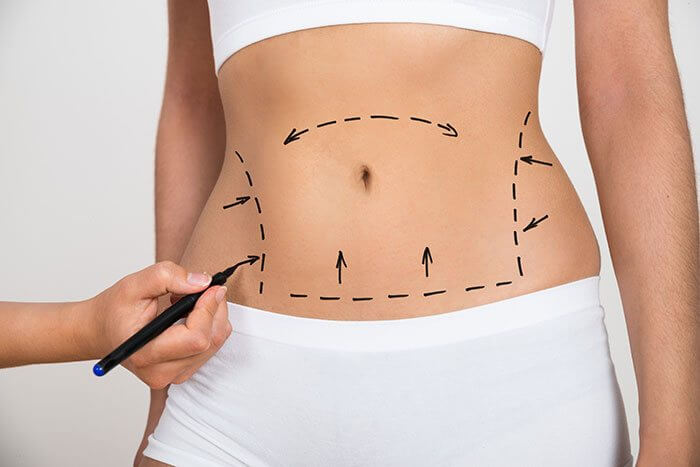

Liposuction is widely recognized as a body contouring procedure tailored to individual needs, and its clinical complexity often varies based on patient-specific factors. In aesthetic discussions, understanding how medical indications influence outcomes is essential for making informed decisions. When people search for liposuction cost Dubai, they are often trying to understand why procedures differ so much in approach and scope. In Dubai’s advanced cosmetic landscape, facilities like Dynamic Life Clinic highlight how clinical evaluation shapes every aspect of treatment planning.
Clinical indications refer to the medical and aesthetic reasons a patient is considered suitable for liposuction. These indications go beyond general body contouring goals and include factors such as fat distribution, skin elasticity, and overall health status.
Each indication directly impacts how the procedure is designed, including the techniques used, duration, and level of precision required. A patient with localized fat deposits may require a straightforward approach, while someone with complex body contours or multiple areas may need a more comprehensive plan.
One of the most influential clinical factors is how fat is distributed across the body. Liposuction is not a one-size-fits-all solution, and the pattern of fat accumulation determines the technical approach.
Different fat types and locations require varying levels of effort and expertise, which changes how the procedure is performed.
Skin quality plays a critical role in liposuction planning. Elastic skin adapts more easily after fat removal, while reduced elasticity may require additional considerations.
Patients with firm, elastic skin typically experience smoother contouring results. In contrast, those with reduced elasticity may need a more cautious approach to avoid irregularities. This clinical indication often influences whether complementary procedures are recommended alongside liposuction.
The number of body areas targeted in a single session significantly affects the overall procedure plan. Treating multiple areas requires careful coordination to maintain balance and symmetry.
Common treatment combinations include:
Each additional area increases the level of planning, precision, and time required, making the procedure more intricate.
A patient’s general health is a fundamental clinical consideration. Medical history, current conditions, and lifestyle factors all contribute to determining suitability for liposuction.
Surgeons assess factors such as:
Patients with stable health profiles are typically better candidates, while those with underlying conditions may require modified approaches or additional precautions.
Advancements in technology have introduced multiple liposuction techniques, each suited to different clinical indications. The choice of method depends on the patient’s anatomy and desired outcome.
Common techniques include:
Each technique offers unique benefits and is selected based on the clinical scenario rather than a standard approach.
The amount of fat targeted during the procedure is another key factor. Smaller volumes typically involve localized contouring, while larger volumes require more comprehensive planning and monitoring.
Higher-volume procedures demand greater attention to fluid balance, patient safety, and post-procedure recovery. This clinical indication influences how the procedure is structured and executed.
Some patients present with additional concerns that influence liposuction planning. These may include:
Addressing these factors often requires adjustments in technique or combining treatments to achieve optimal results.
The experience and decision-making ability of the practitioner play a major role in how clinical indications are interpreted. Skilled professionals evaluate subtle differences in anatomy and tailor the procedure accordingly.
Their expertise ensures that each clinical factor is carefully balanced to achieve safe and effective outcomes. This level of customization is particularly evident in advanced cosmetic hubs like Dubai.
A detailed consultation is essential to identify all relevant clinical indications. This stage involves physical examination, medical history review, and discussion of expectations.
During this phase, the treatment plan is customized to align with the patient’s anatomy and goals. No two procedures are identical, as each plan is built around individual clinical findings.
Clinical indications also influence recovery and aftercare. Patients with different treatment areas or techniques may experience varying recovery timelines.
Post-procedure planning includes:
These factors are considered early in the planning stage to support a smooth recovery process.
Dubai is known for its high standards in cosmetic procedures, where personalized care is a priority. Understanding clinical indications allows patients to appreciate why treatments are tailored rather than standardized.
The emphasis on individualized planning ensures that procedures align with both safety protocols and aesthetic goals. This approach reflects the broader commitment to quality and precision in the region’s medical aesthetics field.
Clinical indications are the foundation of any liposuction procedure, influencing every step from planning to recovery. Factors such as fat distribution, skin quality, health status, and treatment areas all shape how the procedure is designed. For individuals exploring options in Dubai, recognizing the role of these medical considerations provides clarity on why each treatment plan is unique and carefully structured.