health care
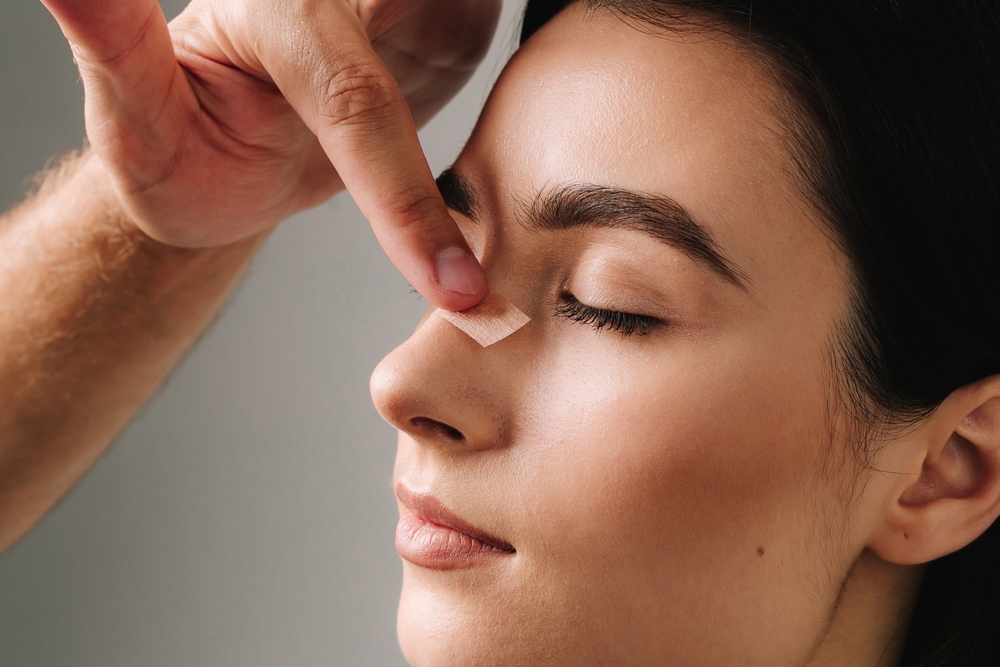

Post-traumatic rhinoplasty is a specialized surgical procedure designed to restore both the appearance and functionality of the nose following injury or trauma. For individuals seeking Rhinoplasty Dubai, understanding the nuances of post-traumatic reconstruction is crucial, as it addresses not only cosmetic concerns but also breathing difficulties that may arise after accidents. Clinics such as Dynamic Life Clinic offer advanced techniques that ensure precise correction tailored to each patient’s anatomy.
Unlike elective cosmetic rhinoplasty, post-traumatic rhinoplasty focuses on correcting damage caused by fractures, blunt force trauma, or other injuries. Trauma to the nose can result in:
The procedure involves carefully assessing the extent of structural damage and planning a reconstruction that restores both function and natural aesthetics.
Understanding the reasons patients require post-traumatic rhinoplasty can help in anticipating the complexity of the procedure. Common causes include:
Each cause presents unique challenges for surgeons, influencing the choice of surgical technique and post-operative care.
Before undergoing post-traumatic rhinoplasty, a thorough assessment is essential. Surgeons typically perform:
Planning focuses on restoring symmetry, correcting deviations, and ensuring proper airflow, making the procedure both functional and aesthetically pleasing.
The surgical approach depends on the severity and type of nasal trauma. Common techniques include:
The goal is to create a natural-looking nose while addressing any breathing issues caused by trauma.
Post-traumatic rhinoplasty recovery requires careful attention to avoid complications. Typical recovery steps include:
Patients often notice improved breathing and symmetry as swelling gradually subsides.
While post-traumatic rhinoplasty is generally safe, it carries certain risks, including:
Selecting an experienced clinic in Dubai with specialized expertise in trauma reconstruction minimizes these risks and ensures optimal results.
The procedure provides multiple benefits, not only cosmetic but functional as well:
Advanced techniques in modern rhinoplasty allow for highly individualized results that cater to both aesthetic and functional needs.
Dubai has become a hub for advanced rhinoplasty procedures, offering access to cutting-edge technology and skilled surgeons. Clinics focusing on trauma-related reconstruction provide:
Patients seeking post-traumatic rhinoplasty in Dubai benefit from high standards of medical care combined with aesthetic expertise.
Post-traumatic rhinoplasty is an intricate procedure that restores both the form and function of the nose after injury. By addressing structural damage, improving breathing, and enhancing facial aesthetics, it significantly improves quality of life. For those exploring Rhinoplasty in Dubai, choosing an experienced clinic ensures precise, effective treatment and long-lasting results. Proper assessment, advanced surgical techniques, and attentive aftercare are key factors that contribute to the success of post-traumatic nasal reconstruction.