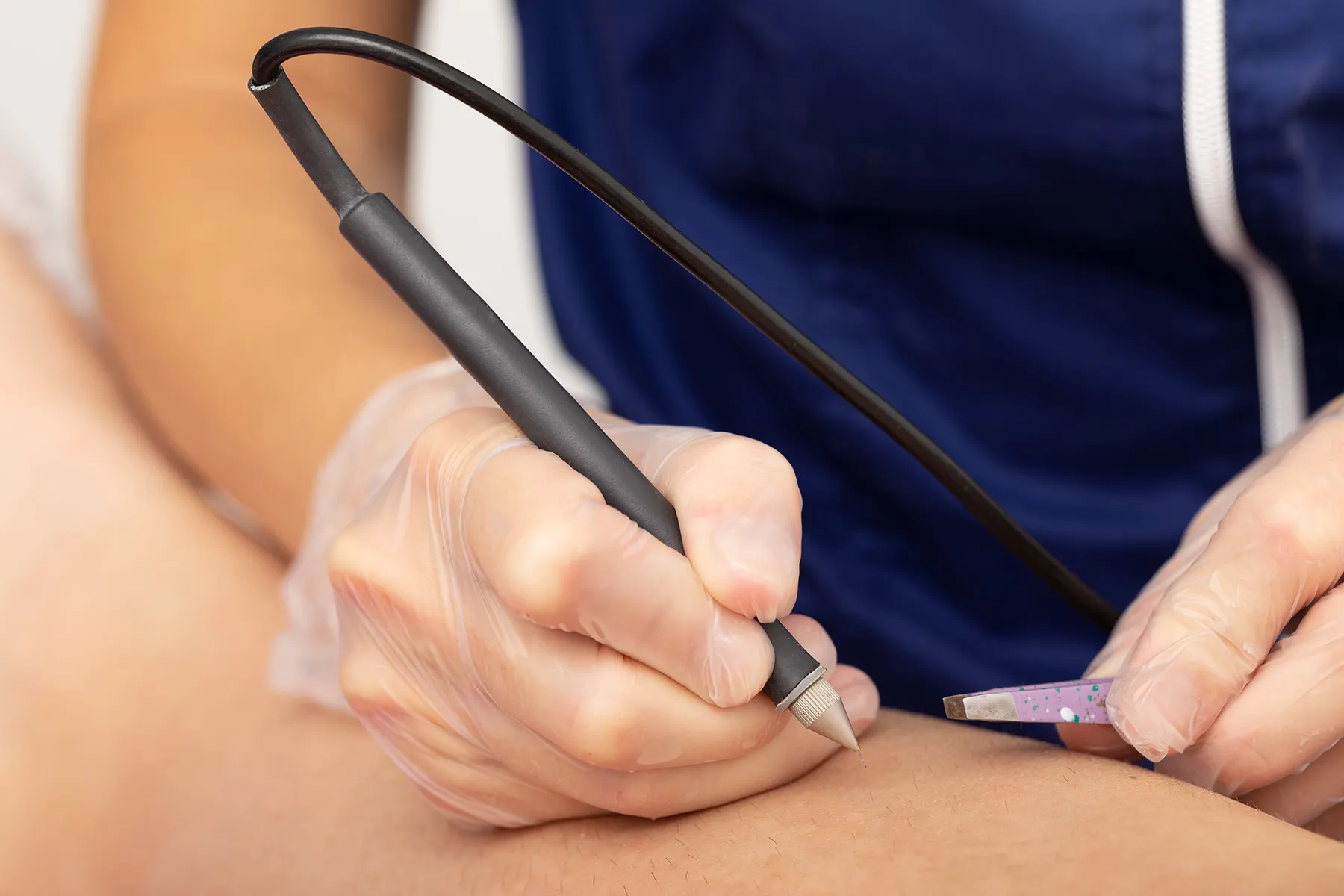
Understanding what is the role of wavelength in photo rejuvenation efficacy is essential for anyone exploring advanced skin-enhancing technologies, especially in a results-driven aesthetic market like Dubai. Laser Photo Rejuvenation in Dubai has gained attention for its ability to target specific skin concerns by using carefully selected wavelengths that interact with the skin at precise depths. At Dynamic Life Clinic, this science-led approach is often highlighted in educational discussions around non-invasive skin treatments, helping patients understand how technology influences outcomes.
Why Wavelength Matters in Photo Rejuvenation
Wavelength determines how light energy behaves once it reaches the skin. Each wavelength travels to a different depth and interacts with specific chromophores such as melanin, hemoglobin, or water. This interaction is what triggers skin responses like collagen stimulation, pigment reduction, or improved tone, making wavelength selection a core factor in treatment effectiveness.
Shorter wavelengths generally affect superficial layers of the skin, while longer wavelengths penetrate deeper. Selecting the correct range ensures that light energy reaches the intended target without unnecessarily affecting surrounding tissue.

Interaction Between Wavelength and Skin Depth
Skin is composed of multiple layers, each responsible for different structural and visual qualities. The efficacy of photo rejuvenation depends on delivering light energy to the correct layer.
- Superficial wavelengths focus on surface pigmentation and uneven tone
- Mid-range wavelengths target vascular irregularities and redness
- Longer wavelengths reach deeper layers to stimulate collagen and elastin
This layered interaction explains why a single treatment platform may use multiple wavelengths to address a combination of concerns rather than relying on one fixed light setting.
Wavelength-Specific Skin Concerns
Different skin concerns respond to different wavelengths because each issue originates at a specific skin depth or involves a particular chromophore.
- Pigmentation responds best to wavelengths absorbed by melanin
- Redness and visible vessels respond to wavelengths attracted to hemoglobin
- Texture and firmness improve when wavelengths stimulate dermal collagen
By matching wavelength to concern, practitioners can improve visible results while maintaining skin safety, which is particularly relevant for diverse skin tones common in Dubai.
Impact on Treatment Precision and Safety
Wavelength selection directly affects how controlled and predictable a treatment can be. When the wavelength aligns accurately with the target concern, lower energy levels may be sufficient, reducing unnecessary heat exposure. This precision supports a more comfortable experience and minimizes the likelihood of unwanted skin reactions.
In photo rejuvenation, precision is closely tied to consistency. Correct wavelength use allows for even energy distribution across the treatment area, contributing to balanced skin improvement rather than patchy or uneven changes.
Role of Wavelength in Collagen Stimulation
Collagen production is one of the most sought-after outcomes of photo rejuvenation. Longer wavelengths are typically used to reach the deeper dermal layers where collagen fibers are located. The controlled thermal effect created at this depth signals the skin to initiate its natural repair process.
This biological response leads to gradual improvements in firmness and texture over time, demonstrating how wavelength choice influences not just immediate visual changes but also long-term skin quality.
Adapting Wavelengths for Different Skin Types
Skin tone and sensitivity play an important role in wavelength selection. Certain wavelengths are safer and more effective for specific skin types because of how melanin absorbs light. In a multicultural city like Dubai, adaptability is essential.
Modern photo rejuvenation systems allow customization of wavelengths to suit individual skin characteristics, helping reduce the risk of pigmentation changes while maintaining treatment efficacy.
Technological Advances in Wavelength Control
Advancements in laser and light-based technologies have improved how precisely wavelengths can be delivered. Adjustable settings and combined wavelength platforms allow treatments to be tailored rather than standardized. This flexibility supports more personalized skin rejuvenation strategies and aligns with the growing demand for customized aesthetic solutions.
Conclusion
The role of wavelength in photo rejuvenation efficacy lies at the intersection of skin biology and light physics. By influencing penetration depth, target specificity, safety, and collagen response, wavelength selection shapes how effective and reliable a treatment can be. For individuals exploring Laser Photo Rejuvenation in Dubai, understanding this concept offers valuable insight into why technology choice matters as much as technique when aiming for visible, natural-looking skin improvement.