health care

What to Know Before Cheek Fillers Injection? is an important consideration for anyone planning facial enhancement treatments, especially those seeking natural-looking volume restoration and contour definition. In recent years, facial aesthetics have gained significant attention in Dubai, where individuals prefer subtle, balanced improvements that enhance their natural features. Those exploring Cheek Fillers Injection in Dubai often want clarity about safety, expectations, and results before making a decision. Many people also seek trusted aesthetic guidance from experienced providers such as Dynamic Clinic in Dubai, known for its patient-focused cosmetic approach in the region.
This treatment is not just about adding volume but about understanding facial harmony, skin structure, and long-term maintenance to ensure results remain refined and proportionate.
Cheek fillers are injectable treatments designed to restore lost volume in the mid-face area or enhance natural cheek structure. The fillers commonly consist of hyaluronic acid, a substance naturally found in the skin that helps maintain hydration and elasticity.
As aging progresses, the cheeks may appear flatter due to reduced collagen and fat pads. Fillers address this by lifting and contouring the mid-face, creating a more youthful and balanced appearance. The results are visible shortly after treatment, although mild swelling may temporarily influence the final look.
Modern filler techniques focus on layering and precision, ensuring that enhancement looks subtle rather than artificial. The goal is to improve facial structure without altering individual identity.
Before undergoing cheek filler treatment, it is essential to understand several important aspects that influence both safety and results.
These considerations help create a more personalized treatment plan that aligns with natural facial balance. Patients in Dubai often prefer subtle enhancements that complement their lifestyle and appearance rather than dramatic changes.
Cheek fillers are suitable for individuals who want to restore volume loss or enhance cheek definition without undergoing surgical procedures. Ideal candidates often include those experiencing early signs of aging or naturally flat mid-face structure.
People with good overall skin health and realistic expectations tend to achieve the most satisfying results. It is also suitable for individuals who prefer temporary yet effective cosmetic improvements that can be adjusted over time.
However, individuals with active skin infections, certain allergies, or specific medical conditions may require evaluation before proceeding. A professional consultation ensures suitability and reduces potential complications.
Cheek fillers provide multiple aesthetic and structural benefits when performed correctly. These advantages contribute to their popularity in facial rejuvenation treatments.
In addition to aesthetic enhancement, cheek fillers can subtly improve facial proportions, making other features such as the eyes and jawline appear more balanced.
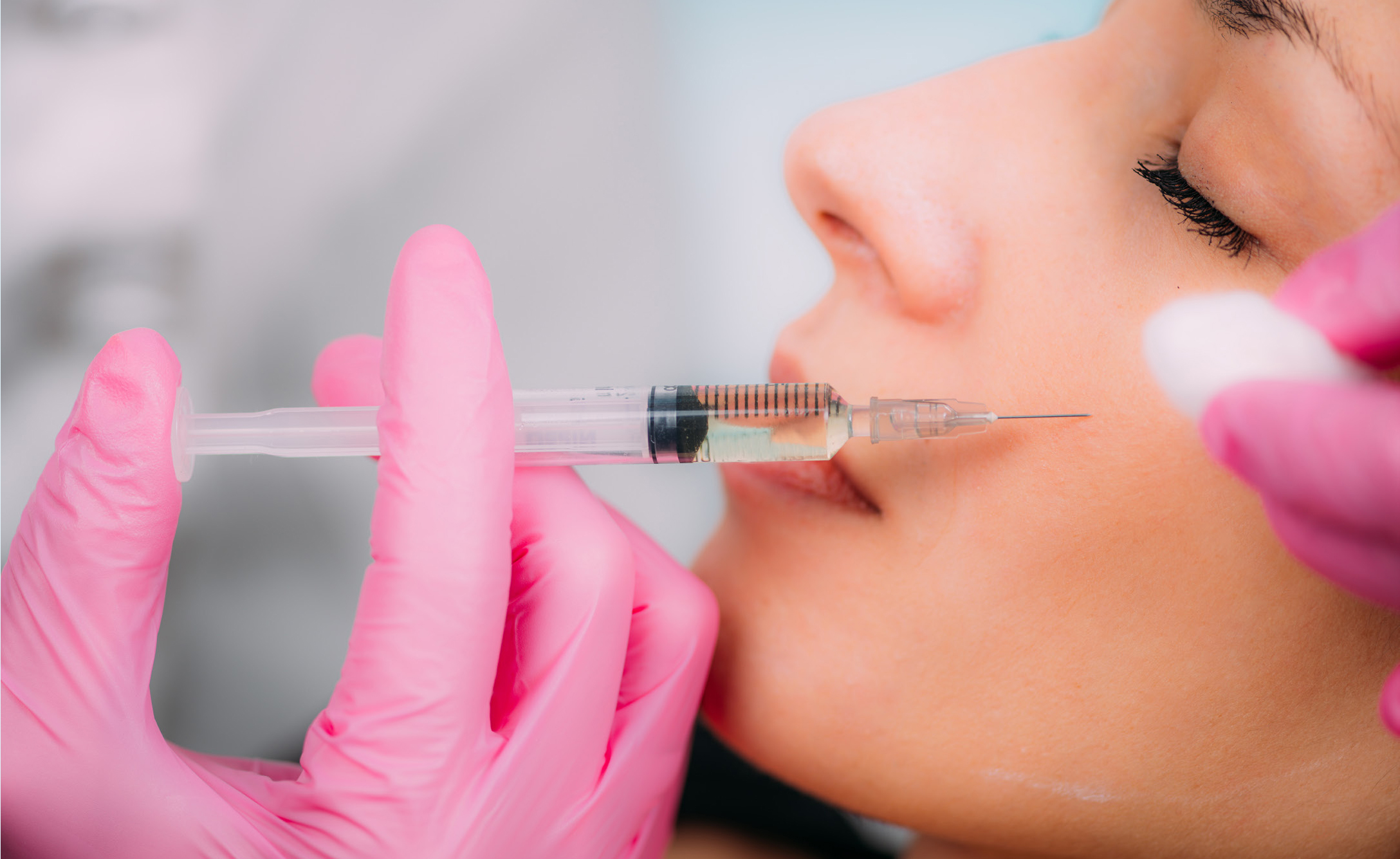
The cheek filler procedure is relatively quick and minimally invasive. It typically begins with a consultation where facial structure and enhancement goals are assessed.
A topical numbing agent may be applied to reduce discomfort. The filler is then carefully injected into targeted areas using fine techniques designed to ensure precision and natural distribution.
Practitioners may use different injection methods depending on facial anatomy and desired outcome. The process focuses on controlled placement rather than volume, ensuring the cheeks appear naturally lifted rather than overfilled.
Most individuals return to daily activities shortly after treatment, although minor swelling or redness can occur temporarily as the skin adjusts.
Proper aftercare plays a significant role in achieving optimal results from cheek fillers. Following simple guidelines can support healing and improve filler integration.
Mild swelling or bruising may appear but typically resolves within a few days. The final result becomes more defined once the filler settles completely into the tissue.
Although cheek fillers are widely considered safe when performed correctly, like any cosmetic procedure, they may carry minor risks.
These can include temporary swelling, bruising, or slight asymmetry during the initial healing phase. Rare complications may occur if the procedure is not performed with proper technique or hygiene standards.
Choosing a qualified professional and following aftercare instructions significantly reduces risks and ensures a smoother recovery process. Understanding these factors helps individuals make informed decisions before undergoing treatment.
Selecting the right approach for cheek enhancement requires careful evaluation of facial structure and aesthetic goals. The focus should always remain on balance rather than exaggeration.
A well-planned treatment considers natural bone structure, skin elasticity, and overall facial harmony. Subtle enhancements often produce more elegant and long-lasting results compared to excessive volume.
Communication during consultation is essential, as it helps align expectations and ensures the treatment plan reflects the individual’s desired outcome. In Dubai’s advanced aesthetic landscape, treatments are often customized to suit diverse facial types and cultural preferences.
Understanding cheek filler treatment involves more than just the procedure itself; it includes preparation, expectations, safety awareness, and aftercare practices that collectively influence the outcome. With growing interest in non-surgical facial enhancements, individuals are increasingly prioritizing natural-looking results that maintain facial harmony. Careful planning and informed decisions help ensure that cheek fillers deliver balanced and refined improvements suitable for long-term satisfaction.